Concerns
We acknowledge the need for sustainable development to meet housing demands, but the proposed development raises significant concerns across multiple areas, making it unsuitable for inclusion in the local plan. Below, we outline the primary issues that render this site unviable and detrimental to the surrounding community, environment, and infrastructure.
Housing
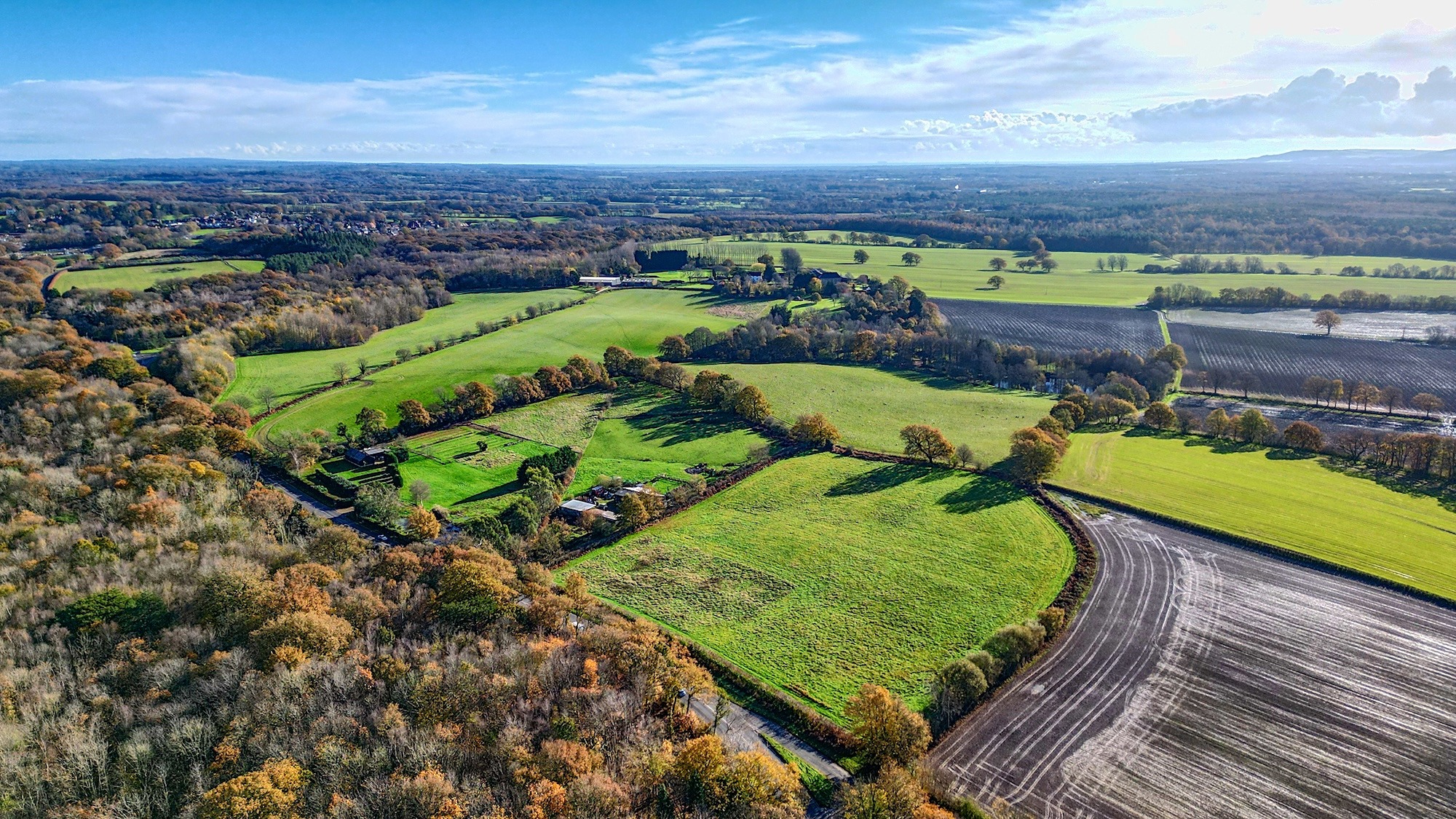
While there is an undeniable need for housing, this proposal fails to address it effectively in terms of timely delivery or appropriate position for a ‘new town’ of this size. Wealden offers alternative, more suitable sites for a new town.
Adjacent developments, such as in East Hoathly, aimed for 35% affordable housing but achieved only 12%, raising serious concerns about the viability of delivering affordable housing here. Furthermore, a nearby project has been left dormant due to developers being unable to engage housing associations, citing the site’s remoteness and inadequate public transport links, particularly rail. Inclusion of this site into a local plan would therefore bring into question whether the local plan itself is ‘sound’.
Transport
Successful new towns require strong connectivity to major road networks or a single rail link, enabling targeted upgrades. This site lacks such focused connectivity, meaning that it is not possible to target the necessary upgrades to ensure sufficient rail/road/other transport capacity.
The area’s road network cannot handle the anticipated 10,000 additional vehicles from this development. With no motorways, limited dual carriageways, and narrow minor roads unsuitable for upgrades, this would cause severe congestion both during and after construction.
National Highways would likely raise significant objections, particularly as critical upgrades to the A22—already inadequate for existing traffic—remain incomplete.
Preliminary assessments confirm the road infrastructure is insufficient for current demands. A full assessment of Oakleigh’s viability cannot proceed without addressing the impact on key bottlenecks, such as the A22 and Earwig Corner, in light of other approved developments.
Woodland and Protected Species
The site overlaps with areas of ancient woodland, including Bog Shaw, Walls Farm Shaw, and Bentley Wood. Even with protective measures, increased footfall and construction would cause irreparable harm to these ecosystems.
The site is home to numerous protected and endangered species, such as badgers, great crested newts, eels, buzzards, kestrels, sparrowhawks, a goshawk, kites, kingfishers, and bats. Bats, for example, rely on hedgerows and open landscapes to navigate between woodlands (spanning 6.5 km). Disrupting these habitats with development would severely threaten their survival.
The area lies adjacent to a Site of Special Scientific Interest (SSSI) and falls entirely within its designated Impact Risk Zone. Development here risks statutory objections from Natural England, which prioritises the preservation of these sensitive areas.
Character, Community and Heritage
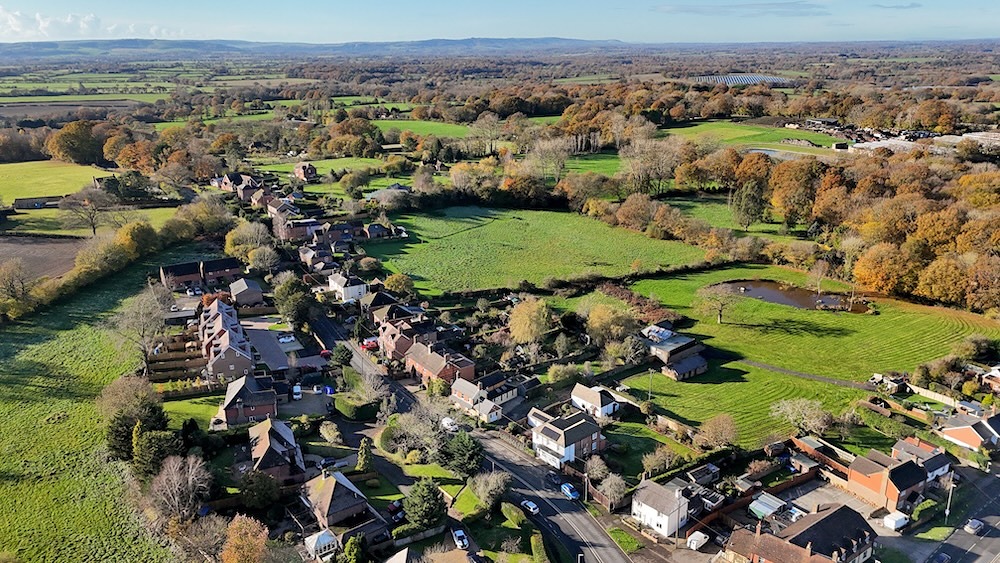
The proposed development would obliterate the area’s rural character and disrupt its historical identity. Several Grade II-listed properties abutting the site would suffer significant harm to their settings, degrading their historic and architectural significance.
Water Supply and Waste Disposal
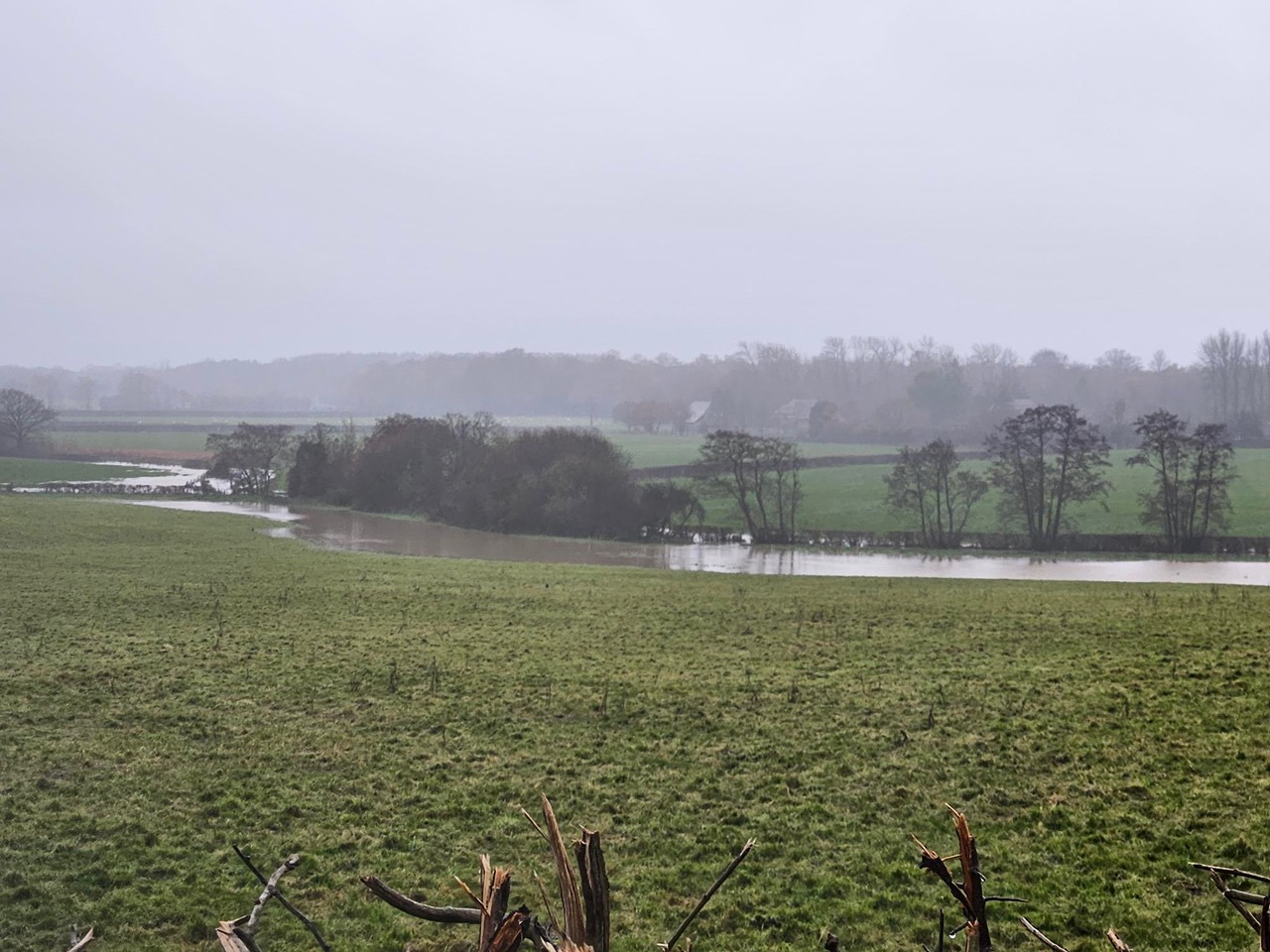
A portion of the site falls within the highest flood risk category (Level 3), where mitigation is prohibitively costly and potentially unfeasible. High groundwater levels further exacerbate this issue.
The region lacks sufficient wastewater disposal capacity, with no nearby watercourses capable of handling increased output from this development.
The entire site lies within a drinking water safeguard zone, already designated "at risk" under the Water Framework Directive. Development here would undermine efforts to protect water quality, leading to potential contamination and requiring costly interventions by water companies.